





By: Chanel Meekins, Co-Founder & Senior Editor, The Pierre Michel Beauty blog
Hyperpigmentation refers to the appearance of a darker skin tone which can be seen either in patches or on the entire body.
Though not harmful, it can be indicative of any underlying medical condition which needs diagnosis. The condition can affect people with any skin type.
Types of Hyperpigmentation
The common types of hyperpigmentation include:
- Sunspots: They might occur due to excessive exposure to the Sun.
- Melasma: Hormonal changes, especially in pregnancy, may trigger melasma.
- Post-inflammatory hyperpigmentation: The common cause involves injury or acne scars.
What causes Hyperpigmentation on your skin?
Melanocytes or skin cells present in our body are responsible for producing melanin. This pigment gives color to our skin. Sometimes excessive production of melanin can be observed in some people, which alters the skin color.
Numerous factors can result in the immoderate production of melanin. Medicines or the drugs used in chemotherapy have side effects which lead to hyperpigmentation.
Some women may experience hyperpigmentation as a result of changes in their hormonal levels during pregnancy. Exposure to the Sun can also trigger the immoderate production of melanin.
Addison’s disease is an endocrine disease that can also result in hyperpigmentation. Thus we can sum up that changes in the hormonal level can be the reason behind hyperpigmentation.
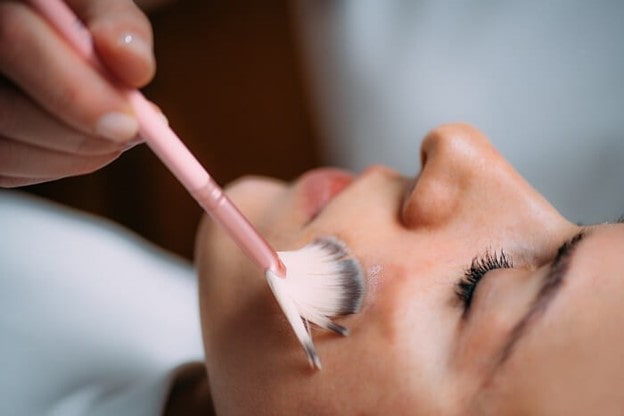
Interpretation for hyperpigmentation
This condition is common and is not usually harmful, and it does not indicate any signs of a severe medical condition. Along with adequate sun protection, the darker areas are likely to fade.
On the other hand, few cases may require medical attention and aggressive treatment if needed. Studies have shown no complete assurance that the darker areas will completely fade even after treatment.
How can hyperpigmentation be diagnosed and treated?
Hyperpigmentation can be diagnosed by a dermatologist who may undertake a physical examination based on your medical history. Medications such as Topical prescription and retinoids can assist the individual in lightening the spots within a few months.
Research shows that dermatologists recommend homecare products as they contain less amount of hydroquinone. These mainly include sunscreens which have shown impressive results.
An adequate sunscreen is rich in zinc oxide, which is the crucial active ingredient as it can block some visible light. The sunscreen should be able to yield a broad spectrum coverage.
If you are diagnosed with Melasma, you should use sunscreen, rich in zinc oxide. Wearing sun-protective clothing that is SPF-infused can also reduce the risks of hyperpigmentation.
How can hyperpigmentation be treated?
There are numerous treatment options available that can assist you in getting rid of hyperpigmentation. We have gathered information about some treatments which dermatologists have highly recommended.
1. Skin Lightening Creams
Lightening creams are rich in zinc oxide, which is known to decrease pigmentation. Applying one of the best skin whitening creams once or twice a day can yield excellent results over time.
Based on research dermatologists suggest these creams or gels as they exhibit impressive results in reducing the flat spots as seen in age spots or melasma. These products are affordable, but they take more time to reduce the patches than professional treatments.
2. Face acids
These acids mainly work by the principle of exfoliation. When you exfoliate your skin, the old cells are shed out, and new cells surface. This process is highly beneficial as new cells assist in lightening your skin tone and enhance your skin’s overall smoothness.
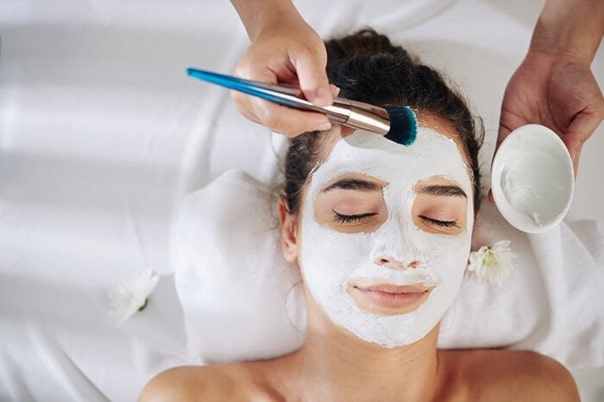
These face acids show excellent results on fair skin types with mild hyperpigmentation. It would be best if you did not go for products that have more than 10 percent of acid content without consulting a dermatologist.
3. Retinoids
Vitamin A yields retinoids that belong to the early and most utilized ingredients in the treatment of hyperpigmentation. Retinoids can easily penetrate deep in our skin up to the epidermis as their molecular structure is small.
Over-the-counter or OTC retinoids are pretty safe to be used by all skin types, but it is always safe to seek advice from a dermatologist.
4. Chemical peel
This hyperpigmentation treatment includes the application of acids with a stronger concentration gradient. The peel is applied to hyperpigmented areas of the skin, and the epidermis is removed to obtain the desired effect.
You should consult a dermatologist as these chemical peels contain strong acids, but they are pretty effective as they show dramatic results.
Invest in your skin
When diligently practiced, the treatments discussed can work wonders for your skin. Make sure that you use products that promote cell turnover. Additionally, people with hyperpigmentation should avoid direct exposure to ultraviolet rays using physical barriers like hats or scarves.
 ABOUT Chanel Meekins
The Pierre Michel Beauty blog’s other co-founder, Chanel Meekins, started small with a basic LiveJournal make-up and beauty blog. Now, she has nearly 20 years of experience working with digital media and skincare products, personally vetting each of our blog writers to ensure that customers are only getting the best.
Categorized in: Trends/Insights