


PRNewsfoto/AS Beauty
Three key factors are driving the big deals making headlines in the beauty industry over the past year. After a lull in 2020 when the coronavirus put deals on hold, last year opened up the floodgates. The merger and acquisition activity is expected to continue at least through the first part of 2022.
Fueling interest in buying up brands include:
Big Brands Buying Entry to Clean Beauty
With consumers more focused that ever on ingredients and sustainable packaging, several behemoths bought instant entry into clean beauty buy snapping up established names. rather than start from scratch. Large mass companies also used their purchasing power to boost entry into prestige categories.
A case in point is Procter & Gamble. After shedding its 41 mass beauty brands in 2016, P&G is back in the buying business. The company recently nabbed three brands—most recently Tula Skincare, a probiotic, superfoods-based skin care line. That came on the heels of its deal with Jen Atkin’s Ouai hair care brand and Farmacy, a natural and clean skin care range.
Not only does this bolster P&G’s position in clean lines, it adds to two other premium brands in its portfolio—SK-II and First Aid Beauty, which coincidentally, was an acquisition as well. There is plenty of upside potential on all of P&G’s new properties especially Tula which reportedly does half of its sales of about $150 million online.
Expanding in better-for-you beauty was also behind Famille C’s (the Courtin-Clarins family holding company that owns Clarins) deal to buy ILIA. The terms of the deal were not disclosed. However, ILIA recorded sales of $100 million in 2021, according to Famille C. Famille C has shown an interest in supporting emerging beauty brands including a $9 million Series B investment in Pai Skincare last year.
What’s important is that Sasha Plavsic, who founded Ilia with her brother Zachary in 2011, and company CEO Lynda Berkowitz will maintain a minority share and continue to manage the business along with their existing leadership team. Plavsic was the visionary who created the brand after seeing white space for products that were more “skin and planet friendly,” as she described her line.
Prisca Courtin-Clarins spearheaded the acquisition calling ILIA relevant with huge potential. “This operation demonstrates Famille C’s determination to identify and support great ideas and devoted teams who are innovating to keep the beauty industry moving forward. From a strategic point of view, the acquisition is in line with our goal of supporting exceptional brands that share our values and vision, and it will strengthen our foothold in the U.S.,” she stated in a release.
L’Oréal’s purchase of Youth to the People also illustrated a large company’s interest in an innovative ingredient-based brand to help the company grab a bigger stake in that emerging category.
Puig’s buy of Charlotte Tilbury propelled the Puig into an edgier and buzzy beauty business that can net it younger customers.
Big Brands Buying Entry to Prestige Business
Chantecaille gives Beiersdorf a boost in prestige beauty. The brand of makeup and skin care products centered around plant and flower extracts is sold in department stores. It is a larger step into premium beauty for the company which although it owns LaPrairie is mostly a mass market player.
Unilever is pausing on its buying path following its after its failed bid to buy GlaxoSmithKline PLC’s consumer business. However, the company did acquire the up and coming Paula’s Choice.
Getting deeper into clean beauty was also behind deals such as The Carlyle Group’s deal with Beautycounter and Highlander Partner’s acquisition of the majority of RMS Beauty.
With the wellness industry booming, FemTech Health purchased beauty box pioneer Birchbox to lead a shift into healthcare and personalized skin care products.
Indie Founders Ready to Take on Investors to Reach the Next Level
While many founders try to nurture their companies on their own as long as they can, the realities of expanding into more retail doors and markets require big dollars. What founders often hope for is the retain positions and input into the brand but get the cash to achieve their dreams.
Sol de Janiero is a case in point. L’Occitane just bought a majority stake in the company founded by Heela Yang six years ago. Yang remains chief executive officer but gets distribution and R&D capabilities that can take her brand to the next level.
The husband and husband team of Brent Ridge and Josh Kilmer-Purcell also looked for an owner as an avenue to support the growth of its Beekman 1802 goat milk skin care collection. Although they never intended to be beauty creators, agreeing to help a neighbor with his goats morphed into a business that grew wildly beyond their expectations. The duo had many suitors but clicked with Eurazeo which they said will help expand and support further research on the microbiome.
Some founders chose to depart once the new owners are in control, opening the door to start new ventures. After selling NYX to L’Oréal, founder Toni Ko is incubating new brands. Industry experts expect some of the founders of recently sold brands to pop up in the industry in non-competing new brands.
The pandemic elevated the visibility of indie-brands—opening the door to acquisitions. With many beauty doors closed, consumers turned to DTC brands. The buzz created alerted big brands to lines they perhaps never would have discovered. Layering on that, bored consumers learned about nascent brands from TikTokers which also helped larger brands uncover lines to add to their portfolios.
Building New Companies Via Acquisition:
AS Beauty has built itself up on brands that need some loving attention.
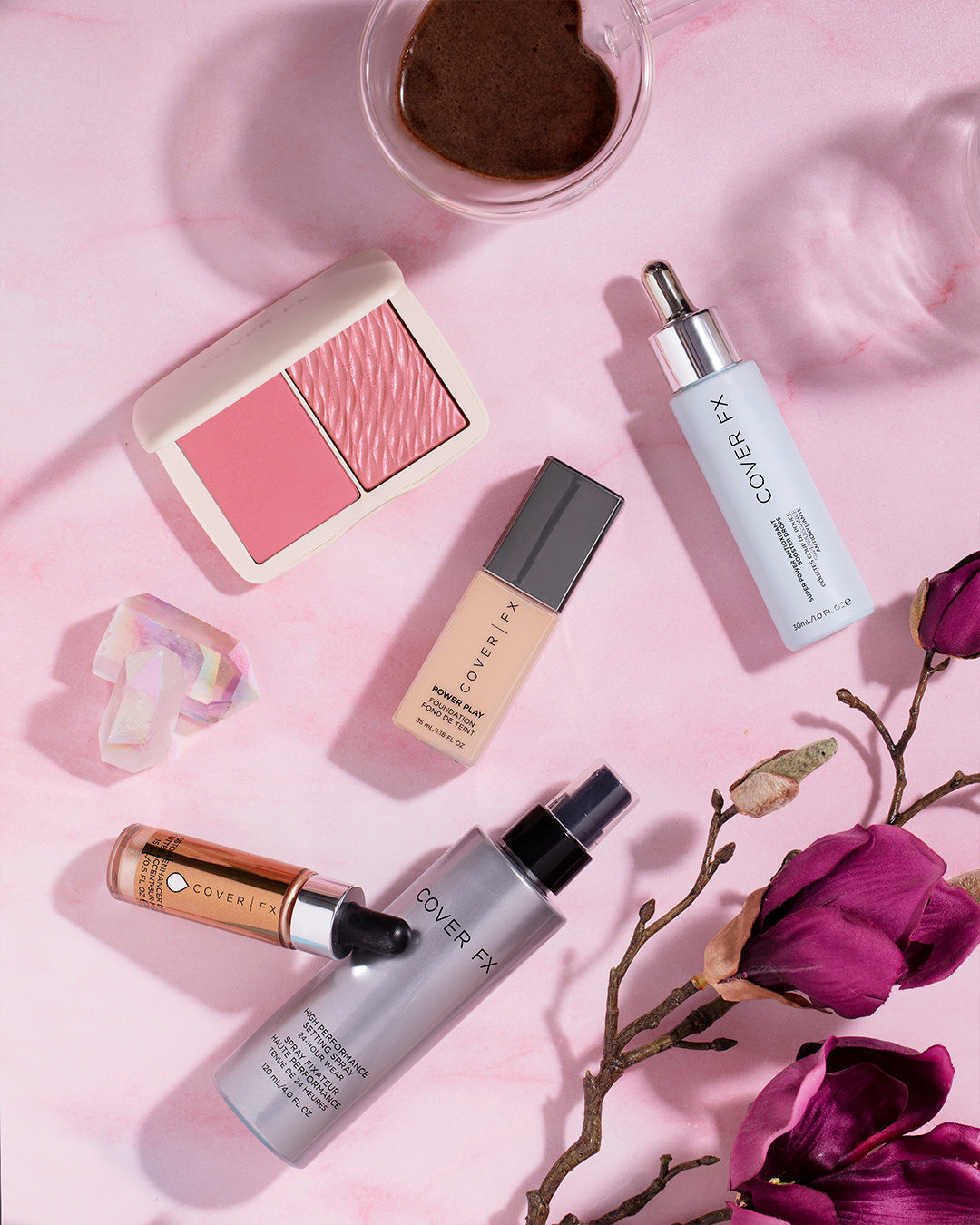
Founded by Alan and Joey Shamah, the creators of E.l.f. Cosmetics along with apparel industry mavens Victor and Ralph Azrak, AS Beauty just purchased Cover FX.
This marks the company’s fourth acquisition since 2019 and offers another opportunity for AS to revive a heritage brand. AS also grew via the acquisition of Julep, Laura Geller and Mally Beauty.
The purchase of Cover FX will increase the parent company’s size by 20% percent and is expected to boost overall revenue by 40% percent by 2023, the company said. Industry experts believe Cover FX sales are in the $20 million to $25 million range. The brand has been backed by L Catterton since 2011.
This probably won’t be AS Beauty’s last purchase. “We have an ecosystem here at AS Beauty that is built for growth. We have created efficiencies and operations process that will allow us to acquire more.
Some acquisitions are also building up companies beyond the core businesses. For example, HatchBeauty, which has purchased brands before to build its portfolio such as Duncan Cosmetics, made an interesting deal with Trendalytics. The consumer analytics platform will help HatchBeauty identify product categories ripe for growth.
Who is Next?
Are there other brands out there? There are several fast-growing indie brands that are ripe for acquisition, especially in the clean beauty space where smaller brands have been more nimble and innovative. While financial advisors didn’t name brands, they said are working with companies on the hunt for lines that address textured hair, BIPOC founded lines, clean/vegan makeup, technology driven operations that offer AR and AI capabilities, companies that create personalized formulas and products for men.
About Faye Brookman
 Faye Brookman has reported on the beauty and personal care industry for more than 35 years. She contributes to beauty industry publications including Women’s Wear Daily and CEW Beauty News. Her articles have also appeared in USA Today, The Wall Street Journal and The Washington Post. She also is a frequent moderator for discussions of the beauty business and retail industry.
A graduate of Syracuse University’s S.I. Newhouse School of Public Communications, Brookman resides in Skillman, N.J.
In case you missed it, check out Faye’s previous article about Retailers To Watch In The Beauty Space.
Categorized in: Trends/Insights