



Written by Karen Young, CEO, The Young Group
Here are a few facts about beauty consumer behavior during the lockdown and NINE points that will be critical to get her attention and position your brand for success when we come out on the other side (whenever that may be).
Before COVID-19, about 20% of beauty purchases were online, growing 12-15% per year (some variation by category).
 Mid-March, everything changed. Stores closed (except for “essentials”). Because drug stores and food stores are essential, consumers still had access to mass-market beauty products in-store. Everything else moved online as fast as possible.
Stores and brands that did not already have a significant presence online moved quickly to do so. Those that could not, suffered.
Consumers immediately moved purchases online, with half of the shoppers purchasing food and personal care. Half of these shoppers had not made online purchases prior to CV19. Most of them say they will continue these shopping habits, even after the market opens up.
80% of women say they have changed their beauty habits during the crisis. 50% have reduced their purchases. 26% have purchased new products and purchased from new brands. This is great news for young brands and brands thinking about entering the market.
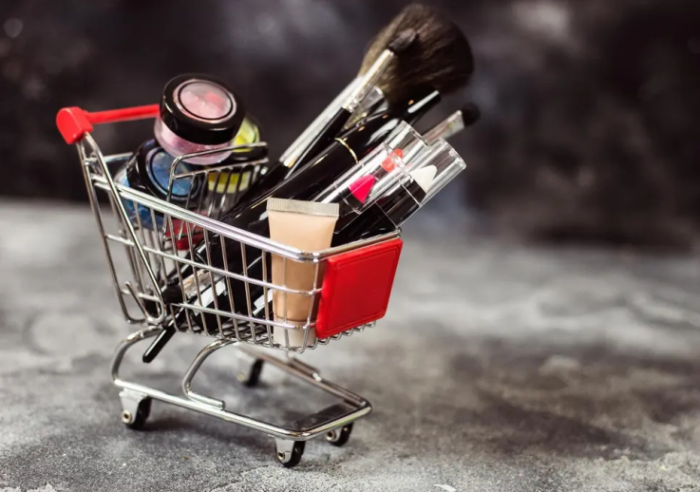
What beauty products has she bought during the confinement?
-Of course, hand sanitizer (+300% and out of stock for weeks)
-Hair color and root touchup (+115%)
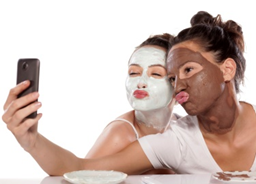
-Face care masks and moisturizers (+45%)
-Cleansers and makeup remover (+194%)
-Bronzing powder (one-stop shopping for full-face makeup)
-Hand care and nail care (+108% for hands stressed from over washing)
-Home fragrance
She has also downloaded many “how-to” videos for cutting and coloring her own hair, making skincare masks from kitchen ingredients and DIY manicures.
Experts tell us it takes 66 days to learn a new habit. We are there!!
If you are a young beauty brand or thinking about entering the market in the next year, here are NINE critical points you need to keep in mind to address this “new normal.”
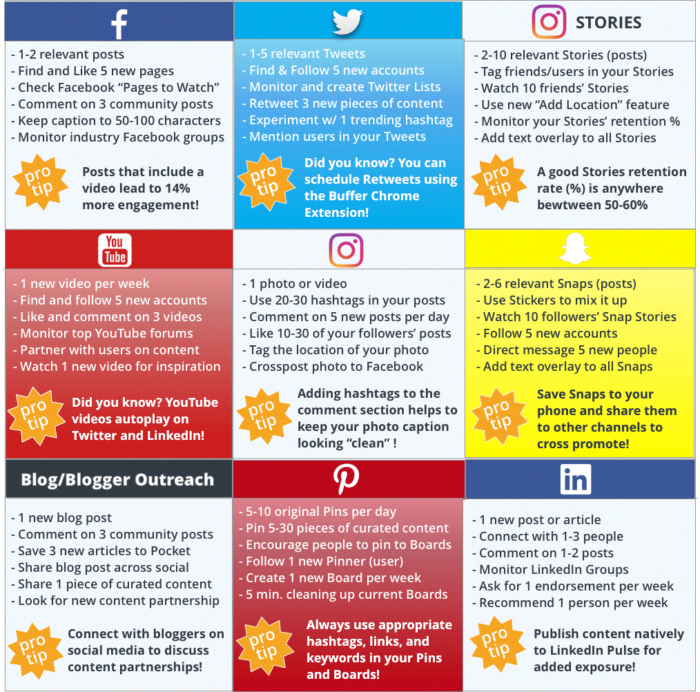
1. Social Media will be even more important. It is not only a form of communication, connection, information, and entertainment, it is increasingly a purchase platform, with purchases increasing +30% this year.
The influencer market reached $3.5B in 2019 in the US and marketers spent 20% of their budgets in this category.
2. Safe, healthy, sustainable, efficacious, clean beauty has been a priority for several years and this will accelerate. Clean beauty grew +11% in 2019. It takes on another level of meaning with concerns about germs and contamination.
All this continues to fall under the obsession with overall “health and wellness,” which is another powerful consumer driver. This will amplify as consumers look for brands and products that connect their beauty needs to caring about and managing fitness, nutrition, stress, and sleep.
3. Consumers will want to simplify their beauty regimens. They know now they can do without many of the products they previously viewed as vital.
Essential will take on a new meaning. There will be demand for cozy, nurturing products without flashy or sexy logos and positioning.
4. Brands will be judged by their behavior. Compassion, ethics, transparency, and inclusivity with customers, employees, and vendors will be critical. Lifestyle positioning, previously very trendy, will now mean “lifesaving.” Support a cause that is authentic to your brand. Show you care and mean it.
5. Create a community to help and inform your consumer. Again, not new, but intensified. Be where she is; do not expect her to come to you. She is stressed and needs shopping and product guidance. She wants to be proud of her choices. She wants her family to be safe and healthy.
Be relevant: are there aspects of your services and products that can be customized to her needs?
6. Develop products with online shopping and shipping in mind. The store shelf may no longer be the sacred spot. Will your products and packaging travel well? Is the product “touch-free”? Is the packaging tamper-resistant? Safe, secure packaging may even trump sustainability here (another significant consumer driver).
7. Expensive products will, more than ever, need to prove their worth. The consumer will have had months of access to affordable, mass-market products, and no doubt, found them excellent. Without the in-store experience to sway her, with less money in her account, that aspirational shopper may no longer play that role. Find ways to make your brand and products as experiential as possible (right brain). Efficacy and good value are left-brain connections. 90% of shopping is done on the right side of our brains (the emotional side).
8. As the brand founder, your role will also morph to match the changing landscape. It now must include crisis management, head cheerleader, tech expert, chief strategist, and motivator. You must be adaptive, resilient, future-facing, compassionate, and have a well-developed EQ. You can no longer aspire to think outside the box: you must throw away the box!!
9. I said “nine,” so here it is: technology. It is table stakes today. Seamless, ever-present technology. Make sure you and your brand are at the front of this line.
Reality check: Consumers will have less money to spend. As of mid-May, unemployment hit 16%, going as high as 25% in some states and the numbers will continue to climb. 20% of children in the US do not have enough to eat. Salaries have been reduced, investments are dropping or uncertain at best and 37% of Americans say their financial status has been seriously affected in one way or another. These numbers will accelerate the longer confinement is a reality.
Without small business, many of whom will suffer from this pandemic, the US will be less competitive and much less innovative. New companies and small businesses drive net job growth. They generate more productivity growth than bigger, established businesses.
Indie brands (pre Covid19) were approximately 20% of the total beauty business and are critical to the health of our industry. We need you!!
Statistics from McKinsey and NPD
ABOUT KAREN YOUNG
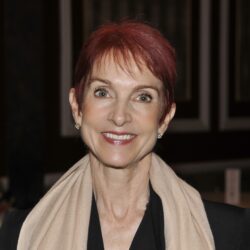 Before opening The Young Group in 1999, Karen was Vice President of Marketing, Advertising and Product Development for Lancôme, the prestige division of L’Oréal. Before joining Lancôme, she spent seventeen years at Estée Lauder, where she held a variety of executive positions, including Executive Director of Color Cosmetics.
Karen is an active board member of Fashion Group International. She is a certified personal trainer and nutritionist. Karen divides her time between New York and Paris, where The Young Group also has an office.
Since opening The Young Group, Karen has worked extensively in all categories of the cosmetic industry. She has developed concepts and products for Dove, Bath and Body Works, Neutrogena, Vichy and Canyon Ranch. She has worked on numerous established brands in the beauty category, including Christian Dior Beauté, Shiseido, Chanel, Parfums Givenchy, Avon and 3M Products.
Karen is an adjunct professor at The Fashion Institute of Technology, teaching the graduate course in product development.
Categorized in: Trends/Insights