




By Bella Geller

Many people now seek beauty-related advice from YouTube, Instagram, and social media as a whole. They trust user-generated content from their online social circles and from beauty influencers more than traditional adverts. With online marketing, manufacturers and sellers of beauty products are able to create personalized relationships with clients. Here are 4 examples just to demonstrate how digital marketing helps beauty brands grow:
Appealing to the Gen Z audience 
Beauty brands now use social media influencers to connect with and attract Gen Z customers. Take Ubisoft, Amazon Prime, and Mark Hill, for example. These industry-leading brands have collaborated with Emily Temby, a Welsh makeup artist, to win over the Gen Z audience. Emily is one of the most creative social influencers of her generation. She is popular for her viral emoji-inspired makeup looks. Today, she has over 2 million followers on TikTok and her skincare videos and other online beauty content have over 25 million views. Her beauty content stands out because she uses everyday makeup to achieve extraordinary looks. That’s how she helps the brands she’s worked with to stand out and take off.
Providing customers with longer-format content
Beauty customers are no longer convinced by sentimentalized and fantasized 5-second adverts.  They are no longer excited by unrealistic “red carpet” beauty. They now want long videos and blog posts that discuss real benefits- what’s new, what’s working, and what’s trending. They want to learn how to perfect their beauty routines, achieve unique looks, coordinate outfits creatively and become the best version of themselves. These customers are more inclined to purchase beauty products that are recommended by independent beauty vloggers/bloggers who create helpful, fun, and engaging digital content. Beauty brands, therefore, have no option but to integrate longer-format content into their digital marketing strategy.
This digital marketing approach has worked perfectly for Meredith Elaine Foster. Meredith has over 4.3M subscribers on YouTube. Her audience on Twitter and Instagram is also in excess of 3.5 million. She posts long videos of 10 or more minutes… not the 5-second ads that beauty marketers have used for the longest time. Meredith connects with her audience and gains their trust by being personable, present, and real. The products she reviews on her channel get an easier route to connecting with potential customers, something that most mainstay brands struggle to replicate.
British makeup guru Katie Jane Hughes is another success story with regard to longer-format content. Katie posts close-up photos of her face on her Instagram feed that has over 300,000 followers. She isn’t scared to show her scrubbed-clean face and all its splotchy spots. That way, she connects with women who struggle with “imperfect” skin. She then applies makeup in 10+ minutes long videos, one layer at a time, until she achieves the perfect eyelids, lips, and an overall glamorous look. She does all this while advertising creams and cosmetics. She holds her products close to the camera, which gives her viewers a closer look at the ingredients and everything they need to know about a beauty brand. The step-by-step instructions compel thousands of customers to purchase the products she recommends.
Opening up new sales channels 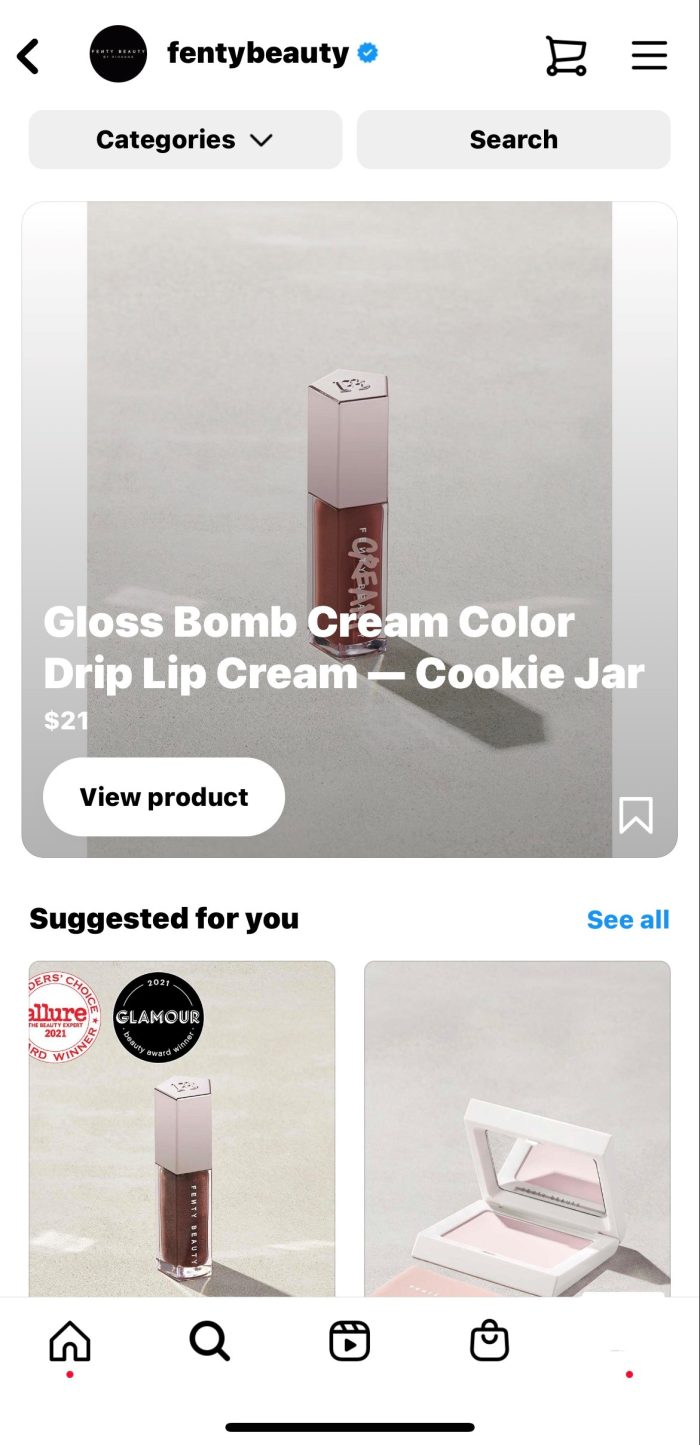
Digital marketing has enabled beauty brands to take their shops closer to the consumers. Instagram, for example, is a visual platform that brands such as Sephora use as a virtual store. Instagram feeds act as virtual product displays where potential clients click on a picture and are facilitated to shop at the brand’s online store.
Online marketing has also made global selling a reality. Beauty marketers now use social media and content marketing to build a rapport with new markets. Fenty Beauty by Rihanna, for example, does a fantastic job at crossing racial and regional barriers by leveraging digital marketing to showcase its 40+ shades of beauty products. That’s how the brand has in a very short time walked right into the makeup routines of millions of women around the world.
Another example of how digital marketing has helped beauty brands access new markets is Rimmel. The cosmetics company used a series of Instagram stories to market their mask-proof makeup when the COVID-19 pandemic hit. Everyone around the world needed a makeup routine that works with a mask, and Rimmel hit the jackpot with the help of digital marketing and a little creativity.
Final word
Social media, content marketing, and digital marketing as a whole are indispensable when it comes to growing beauty and cosmetic brands. People trust online reviews and user-generated content more than any other advertisement method. It is up to you as a beauty manufacturer or retailer to position your brand strategically within the digital space. Work with the right influencers to create digital content that people can engage with and trust.
ABOUT BELLA GELLER 
Bella is a business consultant but mostly in her favorite industry, beauty. She enjoys time with people, reading, writing, and swimming.
Categorized in: Trends/Insights