



By Faye Brookman
The outlook for holiday 2022 varies widely based on who is doing the forecasting. Some experts predict inflation will derail holiday spending; others declare Americans still have pent up demand and will spend freely.
The latter could play heavily into beauty where shoppers, especially high-income consumers, have yet to tighten their purse strings.
A survey conducted by The National Retail Federation of 2,000 consumers in September found that 62% of holiday shoppers feel it is important to spend on holiday gifts and celebrations. However, that same survey raised the concern that shoppers don’t have the funds to cover the cost of gifts.
PwC’s holidays report shows that despite fears of inflation and escalating costs of transportation and utilities, 74% of consumers plan to spend the same ore more this holiday season than they did last year. Overall, consumers expect to spend an average of $1,430 on gifts, travel and entertainment this year, according to PwC, up 20% over 2020 at the height of the pandemic.
At the other end of the spectrum, Cowen & Co. was less optimistic. In a report, the financial services company noted that there are high levels of inventory with demand slowing. Cowen dubbed the marketplace fragile and said the multitude of macro pressures are likely to negatively impact the level of holiday consumer spending versus past years. The firm’s forecast for holiday U.S. sales calls for only a 6.5% increase—and when inflation is factored in; real growth will be limited to 0.5%.
Online sales are also under the microscope since as stores open, online activity has slowed. Adobe expects U.S. online holiday sales to total $209.7 billion, up only 2.5% year-over-year. For beauty, the gains could be lower since people like to experience the products in real life. Exacerbating online growth is the fact some retailers are going to start charging for returns.
Even with the swings in projections, a few key indicators can be parsed out from reports from KPMG, The NPD Group, PwC, Cowan, Adobe and NRF.
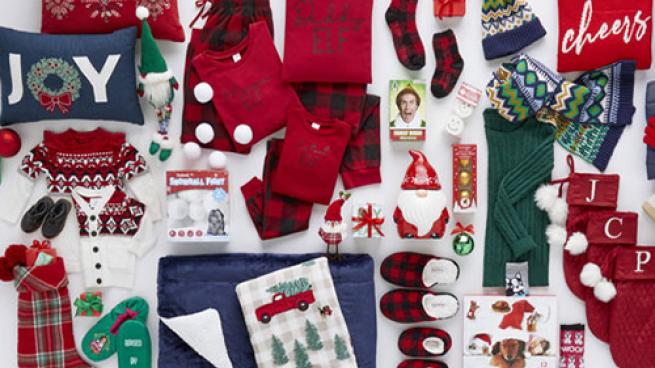
Starting Earlier: It seems every year there is chatter about holiday starting earlier. This year is no exception and holiday merchandise is out way before Halloween—even prior to October. The fact that Amazon staged a second Prime Day underscores merchants’ push to get shoppers in the mood early. Many retailers moved up shipping dates to mitigate issues will supply chain issues.
Touting New: Retailers are expected to pull out all the stops to spark purchases—especially in beauty. Walmart and Target, especially, have loaded shelves with new brands—especially emerging, exclusive and innovative lines. Artistry brands, combination of makeup and skin care hybrids, and fragrances are expected to sell well—especially those posted on social media like TikTok.
At Macy’s, holiday shopping has started already. Nata Dvir, chief merchandising officer, promised the stores are loaded with exciting new gift ideas.
Closed on Thanksgiving But Ready for Black Friday: Several retailers will be closed on Thanksgiving (a move that gained traction in 2020) including Kohl’s, JC Penney, Target and Walmart.
While Black Friday has lost some of its luster as consumers kick off holiday shopping earlier, it is still an important event. NRF and Proper Insights & Analytics found that 45% of shoppers are likely to browse and buy in stores on Black Friday.
Price Will Matter: Shoppers say they will wait for the best deals which many think won’t happen until November. However, price promotions tend to be less impactful in physical stores. Important to note, according to NPD, beauty prices have not soared at the same rate of many other product categories.
Wendy Liebmann, chief executive officer of WSL Strategic Retail summed up her forecast. “Shoppers will work harder to save during the December holidays. Conveniently clicking and buying gifts online will be replaced with walking the stores to find great bargains; doing more online research before buying, choosing less expensive gifts, and brave the stores and sites on Black Friday.”
So, What Does it Mean for Beauty? The beauty category will be one of the 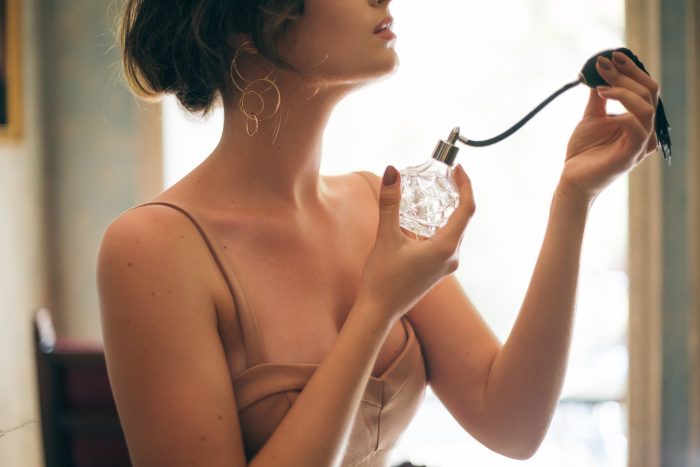 most interesting to watch. “Prestige beauty is in full recovery,” said NPD’s vice president and industry advisor Larissa Jensen, “The category is maintaining momentum and the U.S. has the most impressive growth.”
Cosmetics and fragrances have a lot of advantages in a topsy turvy economy. In general, beauty is an affordable luxury (the often-quoted Lipstick Index). The category is also a treat as a gift or for self-purchase—and is becoming more critical in the booming wellness space.
The popularity of fragrance, which is now as big as skin care, is expected to be big again for holiday.
So far, rising prices have not forced shoppers down to lower priced beauty products. Prestige growth outpaces the mass market, according to NPD.
One reason is the power of higher income shoppers (households earning more than $100,00 per year), which represent a big portion of prestige beauty sales, said Jensen. This cohort is less likely to feel the pressure of rising prices.
The coalescence of these factors could suggest beauty is going to be less impacted by the looming fear of inflation in 2022. Buckle up—it is going to be a wild ride.
ABOUT FAYE BROOKMAN
Faye Brookman has reported on the beauty and personal care industry for more than 35 years.  She contributes to beauty industry publications including Women’s Wear Daily and CEW Beauty News. Her articles have also appeared in USA Today, The Wall Street Journal and The Washington Post. She also is a frequent moderator for discussions of the beauty business and retail industry.
A graduate of Syracuse University’s S.I. Newhouse School of Public Communications, Brookman resides in Skillman, N.J.
Categorized in: Trends/Insights