



By Faye Brookman
As 2022 winds down, it is time to glance ahead to what will drive sales in the years to come. Here are product categories industry experts expect gain traction.
Tattoos: Whether to cover, enhance or fake, products for tattoos are hitting the market. The tattoo industry represents an $8 billion global market, yet brand has carved out a name in the category. There are products entering the market to help care for body ink, as well as markers and templates to create fake tattoos. Bic, for example, known for its social expressions, has expanded into body creativity with two brands—BodyMark and Inkbox. Mad Rabbit Tattoo is a fast-growing tattoo care brand with top sellers such as Enhance Care Balm and Aftercare Cream. The brand just expanded with the launch of Soap Duos—a cleansing and exfoliating soap range.
Pure/Safe Beauty: Going beyond “clean” the industry is moving to terms like safe and pure that better describe the formulations. There is also an emphasis to stress what is “in” a product rather than what is not. Pascal Houdayer, CEO of Orveon – parent company to BareMinerals, Laura Mercier & Buxom – is betting that clean beauty is dead and looking to “pure beauty” for the future of success of these three iconic brands. Evme, a range of allergist-founded products, is among those looking for better verbiage—the line is dubbed “sans allergens.”
Blockchain: We might not all understand it but blockchain is emerging as a way to track ingredient sourcing and supply chain traceability. Consumers today want to know everything from what ingredients are in their products to how they are sourced. Blockchain can help trace the process.
Microbiome: The importance of microbiome has been brewing for a few years but should come of age in 2023 in not only facial skincare, but overall body care. Products positioned to help keep a healthy microbiome will be a buzzy topic in the years to come. Consumers have learned how gut health is influenced by bacteria and are putting that knowledge into caring for their skin.
Menopause Revolution: One billion people are expected to be experiencing menopause in 2025. Yet, one in five don’t seek care for menopause because they feel dismissed by physicians. Another one in five women has considered leaving their jobs because of menopause related concerns. A study revealed that 7 in 10 women blamed menopause for a breakdown in their marriage.
Grand View Research pegs the global market for menopausal products hitting $24.4 billion by 2030.
Retailers can help consumers find products by creating special areas in stores for menopause items, which can also help build store loyalty.
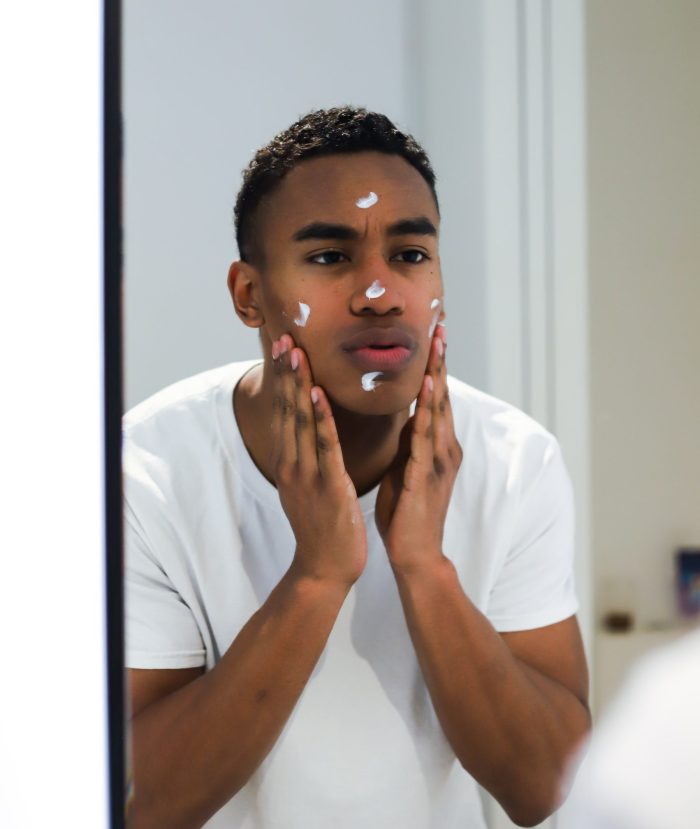
Genderless: Shoppers are showing interest in picking products for their concerns rather than for their gender. As the industry moves to be more inclusive there is also demand for packaging and formulas that are not just for one gender. Celebrities including Harry Styles and Machine Gun Kelly have launched non-gender specific beauty products. Demand is underscored by the number of searches for unisex products. First & First Consulting found that online searches for genderless products are up and that men are more than two times more likely than women to say they prefer unisex products.
ABOUT FAYE BROOKMAN
Faye Brookman has reported on the beauty and personal care industry for more than 35 years.  She contributes to beauty industry publications including Women’s Wear Daily and CEW Beauty News. Her articles have also appeared in USA Today, The Wall Street Journal and The Washington Post. She also is a frequent moderator for discussions of the beauty business and retail industry.
A graduate of Syracuse University’s S.I. Newhouse School of Public Communications, Brookman resides in Skillman, N.J.
Categorized in: Trends/Insights