



By: Anna Bloom, Eber Bodmer, Christina De Matos, Mariana Montoya, Eric Seeley
As the Beauty Industry’s Think Tank, one of CFMM’s mission is for students to research new societal trends and bring their learnings back to the work environment. Each year, students focus on senior-management level strategic marketing and decision making and work in groups to develop a trend analysis.
In modern life, we are all familiar with living with a certain level of volatility. There are disruptions in our daily lives that are somewhat frequent but low in financial impact like theft or even annoying cyber attacks. Then there are major volatile events that are high in magnitude with a cost and shock that have a global reach, such as natural disasters, major financial crises, extreme terrorism, and pandemics. As the U.S. emerges from ongoing volatile events, including the COVID-19 pandemic, extreme fires and hurricanes, as well as social unrest, we notice continued economic disruption with the US-China Trade Wars and ever-changing consumer habits. Consumers’ lack of trust is real, and it reflects not only concern over the global health crisis, but also mistrust of products as well as a change in consumption habits. With that in mind, we have explored three areas that set the stage for three emerging global trends.
Global Health Innovation
Even before COVID-19 began, we witnessed an increased demand for innovation within the health and wellness category. As a result of COVID-19, forced collaborative innovation has created much needed tools such as testing, treatments, and vaccines in the fight to end the pandemic. There is also a clear shift in resources including consumer demands tilting toward seeking balance from burn-out and exhaustion, both mental and physical, meeting the needs of the staggering stockpile mentality in consumer habits that surfaced amidst 2019, and finally, a cure and new hope found with the COVID-19 vaccine.
Country of Origin
Examine the label of any consumer product good and you’ll most likely recognize that most products do not come from within the U.S. And, even if the packaging states that it does, there are myriad levels to the concept of “made in.” Now, amidst a crisis, consumers tend to buy local because they do not trust imported/global brands given the volatility we have seen during COVID-19, or, they feel buying local supports and boosts their local community. Re-building human interdependence is key. “This moment has meant that a lot of people have developed an appetite for having a little more time, being a bit closer to home, learning the names of their neighbors, becoming interested in where their food is coming from and even developing an appetite for actually growing food” or learning how to bake bread (2020, October 9, What if local and diverse is better than networked and global? The New York Times).
Changing Consumer Behaviors
Another key factor contributing to this major shift in consumer habits was an exodus to online shopping. This switch created quite a shift in brand loyalty as another choice was a mere click away, but the rise in the need for basic essentials along with the restrictions of in-person shopping due to COVID-19 meant rapid digitalization. We all felt the shortage of essentials like toilet paper, hand sanitizer, and cleaning supplies; because of the pandemic,consumers’ needs pressed brands while supply chain logistics had to be optimized. Finally, a higher demand for transparency from brands, especially in health, emerged as the homebody/localized consumer vehemently gathered context and information and sought authenticity.
With the online marketplace ruling, there was a 30% increase in online-first shopping since the start of the pandemic. And, the messaging of brands drive purchase. More than half (64%) of consumers prefer to shop brand-owned e-commerce sites because they feel they can better trust the brand’s site. Another fundamental shift has been that a third of consumers are making choices based on health, wellness, and affordability/price. Prior to COVID-19, it used to be all about the brand experience, now necessity leads choice. However, authenticity and a heightened sense of community is a new form of experience that consumers still crave. More than ever, consumers are exceedingly digital. Artificial intelligence and machine learning and other enhanced tech is integrated into their everyday lives and gives those heightened CX expectations. This heightened experience that consumers seek is pushing the consumer goods industry to invest in non-traditional marketing and messages to maximize ROI and build a community. Enhanced technology is helping support the new consumption habits done often from a shopper’s couch.
We uncovered three emerging macro trends, which are consumers demand partnership and community, trust and transparency, and they want brands to make wellness and health a priority.
-
Partnership for Purpose
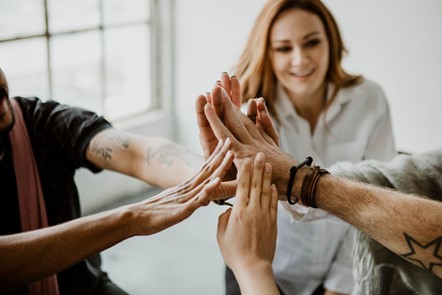
Consumers, especially Gen-Zers, demand more and more from brands; they expect more than traditional CX, especially amidst a changing retail environment. Consumers now seek a connection with the brand and a meaningful connection. Brands need to have an unconventional communal voice that is fluid, inclusive, and authentic. Brands need to stand for something and “do some good.” Brands also need to continue to invest in digital-first.
-
Transparency & Trust are Non-Negotiable
In a global and interconnected world, we see the confusion and lack of clarity around product labeling, and that consumers demand empathy and support from companies, specifically the upcoming consumer segment, Gen Zers who, by 2023, will be the largest generational cohort in the economy. By 2025, they will surpass Boomer spending. They expect and demand brutal brand honesty and renewed brand integrity. In terms of supply chain, multidimensional labeling is a must. And, to no surprise: honesty is the best policy. When mistakes are made, because there will be mistakes, brands cannot hesitate in being honest.

-
Health is the New Luxury
The focus on health and wellness has been around for some time but is now at the forefront of everything we talk about given the pandemic. Global luxury, which may be typically seen as an industry of unnecessary excess, needs to respond to this new desire and focus from consumers. Investing in health- related technology, acquiring and expanding on wellness-central brands, and marketing campaigns shifting to speak to multidimensional wellness needs are all a must. The HENRY’s (high earners not rich yet, HHI of $250-500k) represent a vast group of US consumers (32.7 million U.S. HENRY households compared with 6.2 million ultra-affluent) and should be marketed toward.
Playing in a post-pandemic world can be a tricky landscape to navigate. Our team of experts uncovered these three main trends that emerged amidst the global pandemic, and a new enlightened cultural era of awakening as the ‘new roaring 20s’ unfolds. Brands, be ready to lean into these to remain relevant, make an impact for good, and integrate into your local community of consumers.
ABOUT FIT’S CFMM PROGRAM
 The Master’s in Professional Studies in Cosmetics and Fragrance Marketing and Management is the only program of its kind. A think tank of innovative leadership, the program provides advanced education for emerging executives, fostering both creative and analytical business skills. Students obtain a global perspective through field studies in multiple overseas markets. Through academic and experiential learning, the curriculum facilitates the development of empathic leaders with the objective of shepherding brands that are global corporate citizens with products that delight and inspire the consumer.
Categorized in: Trends/Insights