




By Bella Geller

Packaging in general serves many purposes, from protecting the contents it holds, catching the customer’s eye, and enhancing usability, to name a few. But when it comes to beauty and health brands, there is more to packaging than what is often perceived. The importance of good packaging for beauty and health brands extends to, among other things:
Compliance to set regulations
Due to the sensitivity of beauty and health products, different markets around the world are governed by strict regulations. One key regulation is the use of tamper-resistant packaging, especially for mouthwashes and other liquid oral hygiene products, vaginal products, and skincare products. These products must have a strong barrier to entry in the form of an aerosol container, breakable seal, or a tape seal. In most countries, the seal must have unique security features (such as the company logo) in order to preclude substitution. Manufacturers are also obligated by law to inform their clients on how to tell if a tamper-resistant feature is breached or missing.
Another highly regulated industry is the medical cannabis sector. Governments in states and countries where medical marijuana is legalized have strict packaging guidelines for all cannabis products. In New York, through the Office of Cannabis Management, all cannabis brands are required to use child-resistant and tamper-resistant packaging. There also are regulations for the images, graphics, and messages that marijuana brands can use on their packaging. Thankfully, there are custom cannabis packaging companies that help brands to stay compliant with these federal and state regulations.
Keeping up with changing marketing trends
Packaging is an integral part of marketing. Beauty and health brands can leverage packaging to keep tabs on the changing post-pandemic marketing trends according to these packaging, marketing, design, and branding experts:
Julie Coughlin, president & owner of 2 Dot Packaging, believes that one of the stand-out trends 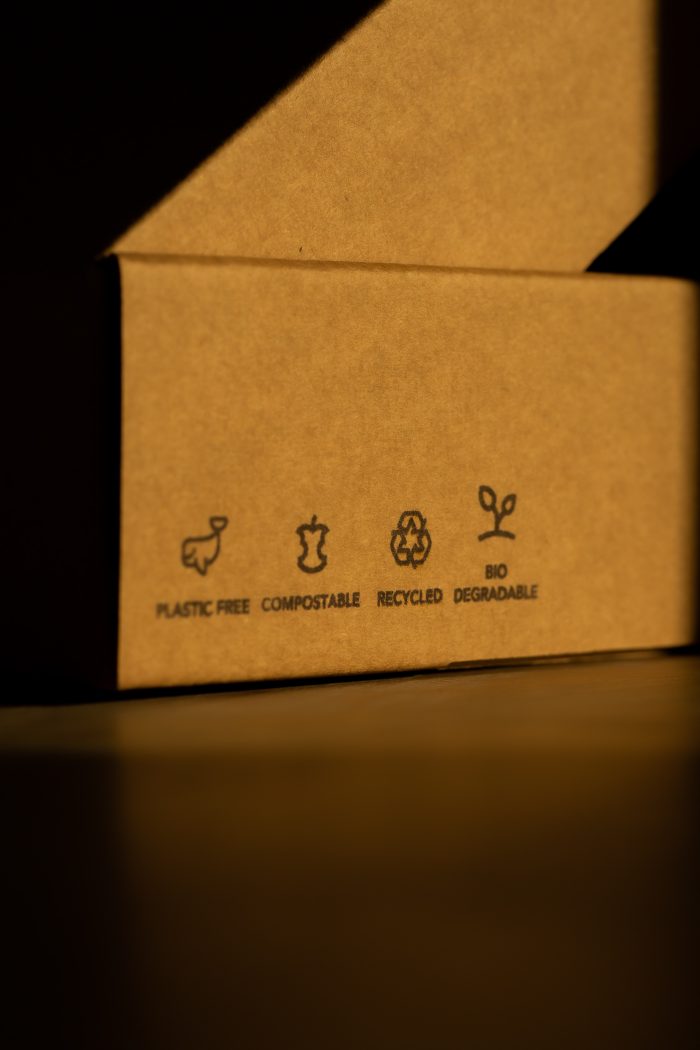 that will affect marketing in the new normal will be sustainable packaging. Beauty and health brands that want to stand out have to leverage packaging to showcase their commitment to sustainability. Hannah Palese of KBL Cosmetics, on the other hand, argues that post-consumer resin (PCR) packaging will continue to grow in demand in the coming years. Clients are more cautious about their environmental impact and will, therefore, keep leaning towards beauty products that use recycled plastics for their packaging. Refillable and reusable packaging will also be huge as the world gravitates towards sustainable living.
According to Christopher Skinner, the founder of School House, quality and safety will be key priorities for beauty clients. Clients want to know and get convinced that no safety precaution or quality assurance protocol is overlooked when packaging beauty and health products. They want tamper-proof packaging, dust-resistant materials, and packaging that allows them to scan for more information. Christopher is also of the opinion that the demand for packaging that facilitates “trial at home” will keep rising in the post-pandemic market. Online customers now need trial-sized packaging for at-home trials before they can commit to bigger purchases.
Hygiene will be a key driver of business growth in the beauty industry going forward, according to Hawke Media’s Ashley Scorpio. Consumers have deeper hygiene concerns after the pandemic. Brands need to use packaging that has easy-to-peel outer film or wrapper to have an upper hand in the market. Lastly, Jonina Skaggs of Skaggs Creative believes that consumers will be craving a personalized unboxing experience now more than ever. People are now making purchases online, which leaves brands with a very narrow window for pampering customers. The unboxing experience is the closest that online beauty brands can get as far as replicating the memorable brick-and-mortar shopping experience goes. Brands that include social links and QR codes on their packages for their clients to join the brand’s exclusive online community have better odds of market penetration. 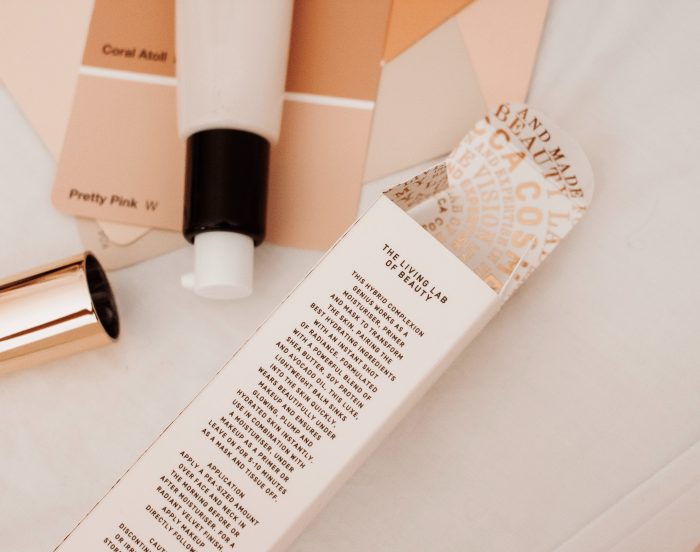
Protective packaging
This is the primary purpose of packaging. Good packaging keeps your beauty and health products safe and secure throughout its logistics chain, from the manufacturer down to the end user. It keeps the contents safe from mishandling during shipping, excess heat or humidity during storage and other factors that are beyond a manufacturer’s or a user’s control. Lastly, good packaging should contain important information on safe storage and usage. It should contain the expiry date and a comprehensive, visible list of ingredients used.
Conclusion
Good packaging is fit-for-purpose. It markets the products, protects the contents, and informs the client. And now with the hot topics of hygiene and sustainability reigning supreme, beauty brands have to use packaging as a tool for showcasing their commitment to a safer, cleaner world. That is how they will gain a competitive edge in this fast-evolving industry.
About Bella Geller
 Bella is a business consultant but mostly in her favorite industry, beauty. She enjoys time with people, reading, writing, and swimming.
Categorized in: Trends/Insights