



Emerging consumer profiles that will shape the future of beauty
By: Josh Borzooyeh, Segolene Dewey, Michelle Imperiale, Maria Llanos, and Marissa Squeri
Identifying the changes in consumer preferences has become an intricate, yet necessary task for brands to stay relevant. The unprecedented changes derived from the COVID-19 crisis, combined with the acceleration of the digital space, present an opportunity to identify future beauty trends and develop a playbook for brands to engage the customer of tomorrow. In addition to the global pandemic, socioeconomic events from 2021 such as Black Lives Matter, the Great Resignation, political polarization, and development of the metaverse combine to create a ripple effect on the future of consumerism. Through first-hand research conducted in both the East and West Coasts and extensive secondary research, we have identified five emerging consumer types that will influence the future of beauty.
FIVE EMERGING CONSUMER PROFILES

THE TORMENTED
Tormented consumers are anxious and tend to be desensitized from their environment. Too many options and multiple messaging channels lead to decision fatigue resulting in a lack of meaningful engagement with brands. In general terms, this consumer type is fueled by simplification, structure, and confidence in making the right choices. On the contrary, option overload, overstimulation, and uncertainty drain this consumer. To better serve the Tormented, our recommendation for beauty brands is to offer simplified assortments and curated regimens that are easy to follow while creating environments that are calming and welcoming. Brands can increase consumer loyalty by offering buying options such as auto-refill and subscription plans to help with decision fatigue.
 THE CANCELLED
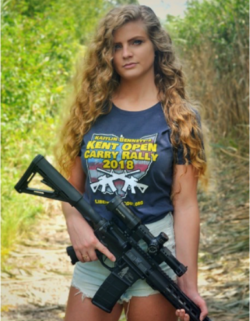
Cancelled consumers are passionate about freedom and unapologetic about their beliefs. They distrust mainstream media and surround themselves with people who share their values. They feel “cancelled” for behaving in ways that others find unacceptable. In general terms, this consumer type is fueled by nationalism, independence, and passion. On the contrary, mainstream media, political correctness, and cancel culture drain this consumer. From a beauty industry perspective, we foresee potential new brands that cater to this consumer with a “Made in America” identity while engaging with this audience through its preferred media outlets.

THE NEOS
The Neos are consumers who experience a growing distrust in both governments and corporations. They have intense awareness of their self-worth and the value of their time and seek something beyond a 9-5 corporate job. Nature is a driving force in their lives and they seek safety and connection with themselves, their local communities, and the Earth. In general terms, this consumer type is fueled by trust, freedom, and purpose in life. On the contrary, capitalism, autopilot routines, and consumerism drain this consumer. Slow beauty brands that prioritize the environment resonate with this emerging consumer who seeks personalized wellness experiences and ways to connect with their community.
 THE TECHNO-SAPIENS
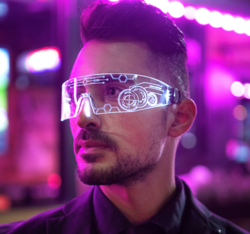
Techno-Sapiens consumers are in constant search of new technology. They see no distinction between physical and digital worlds, seek to define their identity in both, and expect the beauty industry to offer solutions that address their digital needs. In general terms, this consumer type is fueled by stimulation, connectivity, and technical upgrades. On the contrary, traditions, social interaction, and complacency drain this consumer. To engage this consumer, beauty brands should prioritize new technologies and expand their presence across digital spaces. Assortments should be conceptualized to serve physical and digital needs for this consumer.
 THE SPACE COWBOYS
Space Cowboys are emerging consumers who value innovative ingredients and formulations that defy gravity. They are interested in science and how the reality of space travel creates a new destination and application for beauty and high-performance skincare. In general terms, this consumer type is fueled by exploration, escapism, and curiosity. On the contrary, being grounded, limitations, and the expected drain this consumer. Beauty brands can capture this trend by creating products with ingredients found in extreme habitats or sourced from such domains. Brands should also build a strong digital presence and invest in innovative technological solutions.
These emerging profiles are a good representation of increased consumer expectations linked to complex socioeconomic factors. Though each profile has distinct values and priorities, we have identified some common denominators that can help beauty brands stay relevant in this ever-changing landscape.
REDEFINE THE CONCEPT OF BEAUTY INNOVATION
Our prediction is that physical product will represent only a small portion of the future of the beauty business. Companies should think beyond product innovation and invest in developing technological solutions as part of their portfolio. We encourage corporations to include tech companies in their acquisition plans in order to build a competitive advantage and compete in new retail spaces across the metaverse. In addition, brands should build the flagship store of the future where the consumer facing area brings the brand experience to life while the back office is a mini fulfillment center dedicated to e-commerce orders.
Finally, brands should explore portfolio expansion beyond traditional beauty borders, such as the booming new wellness segment of psychedelics.
RETHINK YOUR ORG CHART
Most organizations struggle to present a cohesive online/offline experience. Based on the trends we identified, our recommendation is to integrate all teams that support the marketing function under the same leadership structure while planning new roles in the organization that will be instrumental to keeping the brand relevant to consumers. The key role we identified for beauty is the Chief Gaming officer: someone who will identity the influencers/streamers or personalities that align with the brand gaming strategy. This leader will also be in charge of digital event partnerships and collaborations, digital product ideation, and more.
To conclude, embracing our five emerging consumer types and staying ahead of the curve in terms of customer experience will help brands stay relevant and hopefully “future-proof” their business.
ABOUT FIT’s MPS CFMM Program
The FIT Master of Professional Studies (MPS) in Cosmetics and Fragrance Marketing and Management (CFMM) program, one of seven advanced degree programs in FIT’s School of Graduate Studies, was developed in collaboration with industry as a leadership development program for outstanding mid-career executives. Global luxury firms including Chanel, Shiseido, Estée Lauder, and LVMH, and global consumer packaged goods companies including L’Oréal and Unilever, nominate talented emerging executives to participate in the two-year program. The CFMM program has become the beauty industry’s recognized think tank, producing high-level research presented to industry executives and organizations, and during specialized panels, symposia, and forums in both academia and industry. Visit: https://www.fitnyc.edu/academics/academic-divisions/graduate-studies/cfmm/index.php
Categorized in: Trends/Insights